
Pool design • June 2026
Why Liner Pools Are the Best Choice for Terrace Pools
A rooftop pool is one of the most rewarding additions to an Indian home, villa or boutique hotel — and one of the riskiest, if it's built like a ground-level tiled pool. Here's why a reinforced PVC liner system (the Dreamz PVC Membrane) has quietly become the default choice for terrace pools across India.
Why terrace pools are different from ground-level pools
A pool on the ground is supported by earth on every side. A pool on a terrace sits on a single concrete slab that's also someone's ceiling. That changes everything about how it should be built:
- Weight is the enemy. Every extra kilogram per square metre eats into the slab's safe live load and structural reserve.
- A leak isn't just a pool problem. Water finds the slab, drips into the room below, corrodes rebar and ruins finishes.
- The slab moves. Thermal expansion, monsoon humidity and minor settlement all flex a terrace far more than a buried pool shell.
- Access is restricted. Heavy waterproofing, tile boxes and curing water all have to be lifted to the roof.
A reinforced PVC liner pool addresses every one of these constraints — which is exactly why it's the system specified for rooftop projects in Europe, the Gulf and now most premium Indian builds.
What is a liner pool?
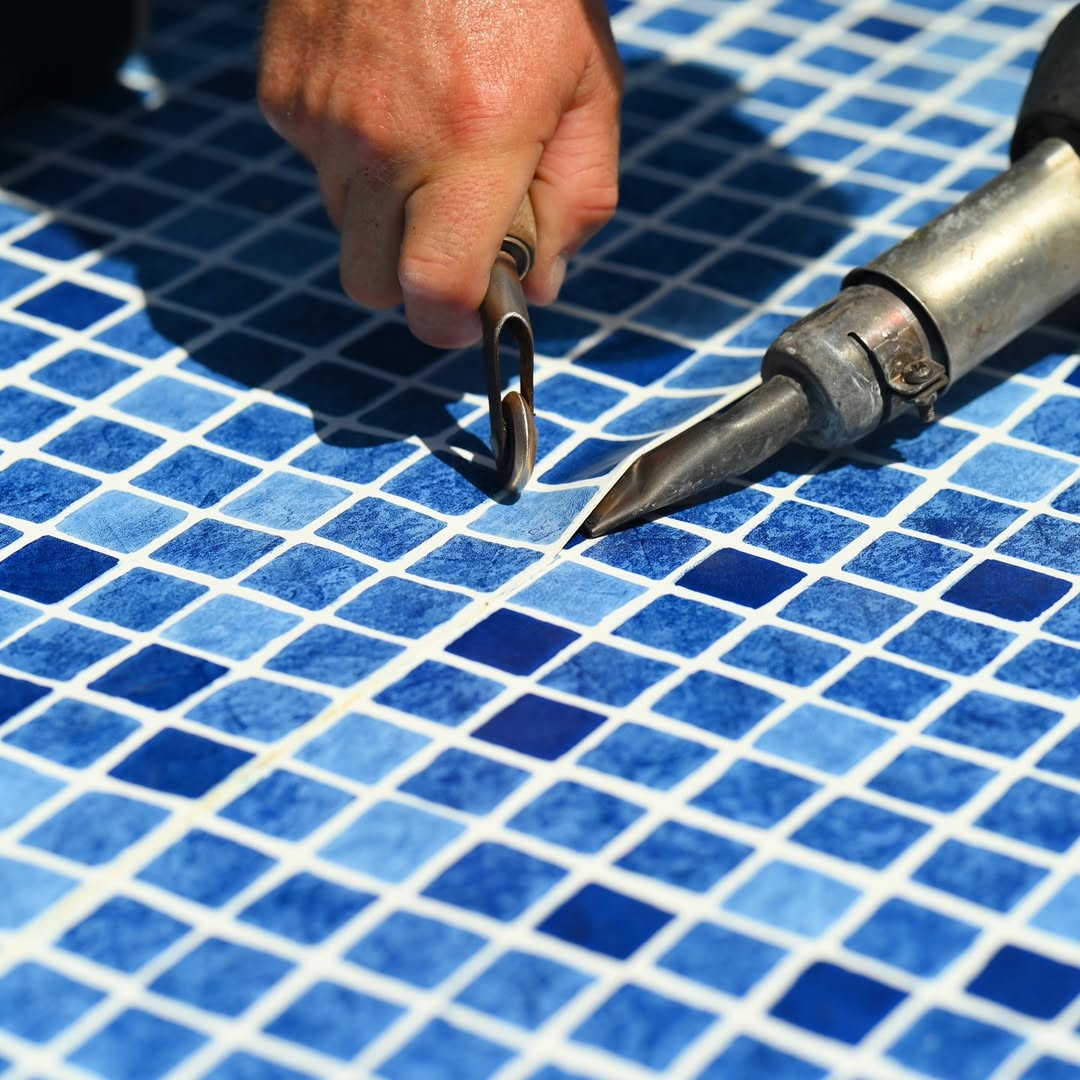
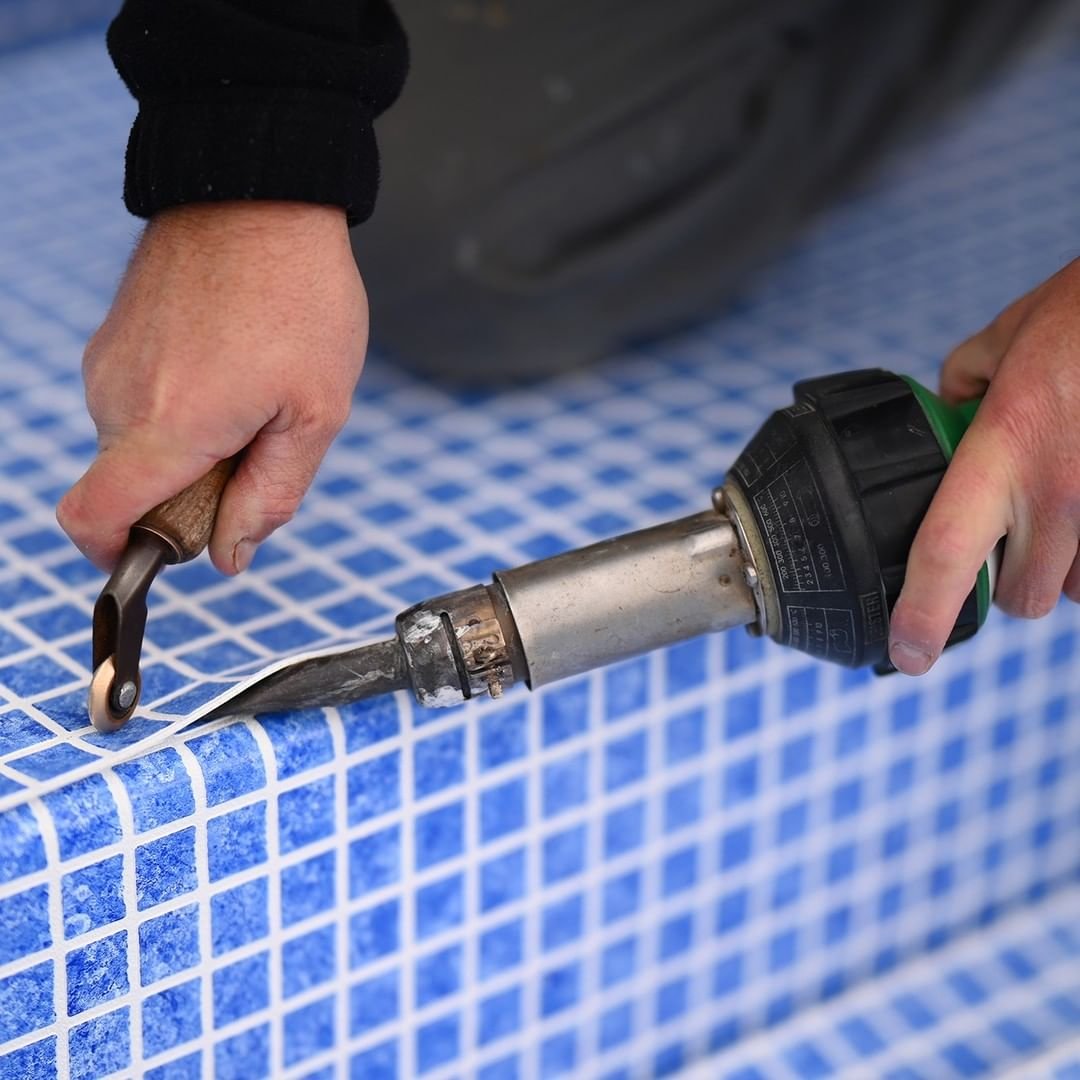
A liner pool is a swimming pool where the waterproof finish is a flexible, 1.5 mm reinforced PVC membrane (polyester mesh sandwiched between two PVC layers with a UV-stable lacquer top coat). Sheets are unrolled inside the prepared shell, overlapped, and hot-air welded into a single continuous skin — no grout joints, no separate waterproofing layer, no tile bed.
The shell underneath can be RCC, precast panels, steel walls, polystyrene blocks — even an old leaking tiled pool. The membrane simply lines whatever's there.
Liner pool vs traditional tiled pool — on a terrace
| Factor | Liner pool (PVC membrane) | Tiled & plastered pool |
|---|---|---|
| Dead load on slab | ~250 – 350 kg/m² (no tile/plaster build-up) | 500 – 900 kg/m² (tile + bed + plaster + waterproofing) |
| Waterproofing | The liner IS the waterproofing — single 1.5 mm welded skin | Separate membrane below tiles — leaks if tiles crack |
| Installation time | 7 – 14 days on a prepared shell | 8 – 14 weeks (waterproofing → screed → tiling → curing) |
| Leak repair | Heat-weld a patch in hours — pool stays in service | Break tiles, re-do waterproofing, re-tile, re-cure (weeks) |
| Movement & thermal stress | Membrane flexes with the slab — no cracks | Rigid tile bed cracks at slab joints & expansion gaps |
| Surface temperature | Stays cooler in direct sun — UV-stable lacquer top coat | Dark tiles absorb heat; grout discolours over time |
| Warranty | Up to 12-year water-tightness warranty | Typically 1 – 3 years on waterproofing only |
7 reasons liner pools are the right call for terraces
1. Drastically lower dead load on the slab
A tiled pool stacks waterproofing membrane + 50–75 mm screed + tile adhesive + 8–10 mm tiles on top of the structural shell. A liner pool skips all of that — the 1.5 mm membrane adds barely any weight. On most Indian terraces this is the difference between needing slab reinforcement and not.
2. The liner IS the waterproofing
In a tiled pool, tiles are decorative; the actual waterproofing is a thin membrane underneath them. If a single tile cracks (and they do, especially on a flexing roof slab), water reaches the waterproofing and starts looking for a weakness. In a liner pool there is no weak point — the entire basin is one welded skin in direct contact with the water.
3. Zero leakage, guaranteed
Every weld is tested on-site with a metal probe before commissioning — if the seam holds the probe, it'll hold water for decades. Dreamz PVC Membrane carries a water-tightness warranty of up to 12 years (10 years on entry-tier collections), backed in writing.
4. Installed in days, not months
A tiled rooftop pool can take 8–14 weeks of waterproofing, screed laying, tile setting, grouting and curing — all while you're hauling materials up to the roof. A liner installation over a prepared shell is typically 7 – 14 days, with no curing time and minimal site mess. Critical when the rooftop is above an operating hotel, restaurant or occupied home.
5. Cracks and movement are absorbed, not transferred
The PVC membrane is flexible. When the slab expands in summer or settles slightly, the liner stretches with it. Tiles and plaster can't — they crack at expansion joints and slab edges, and every crack is a future leak.
6. Repairs are a patch, not a renovation
If a terrace liner is ever damaged (a dropped sun-lounger leg, an aggressive cleaning tool), a technician welds a matching patch on top in a couple of hours. A tile failure means breaking out tiles, redoing the waterproofing beneath, re-tiling and curing — weeks of downtime.
7. 40+ finishes — the look without the liability
Modern PVC liners come in plain colours, sand/stone textures, mosaic prints, 3D-effect finishes and even custom-printed designs. You can have a rooftop pool that looks tiled — without any of the tile-pool problems.
What about an existing tiled rooftop pool that leaks?
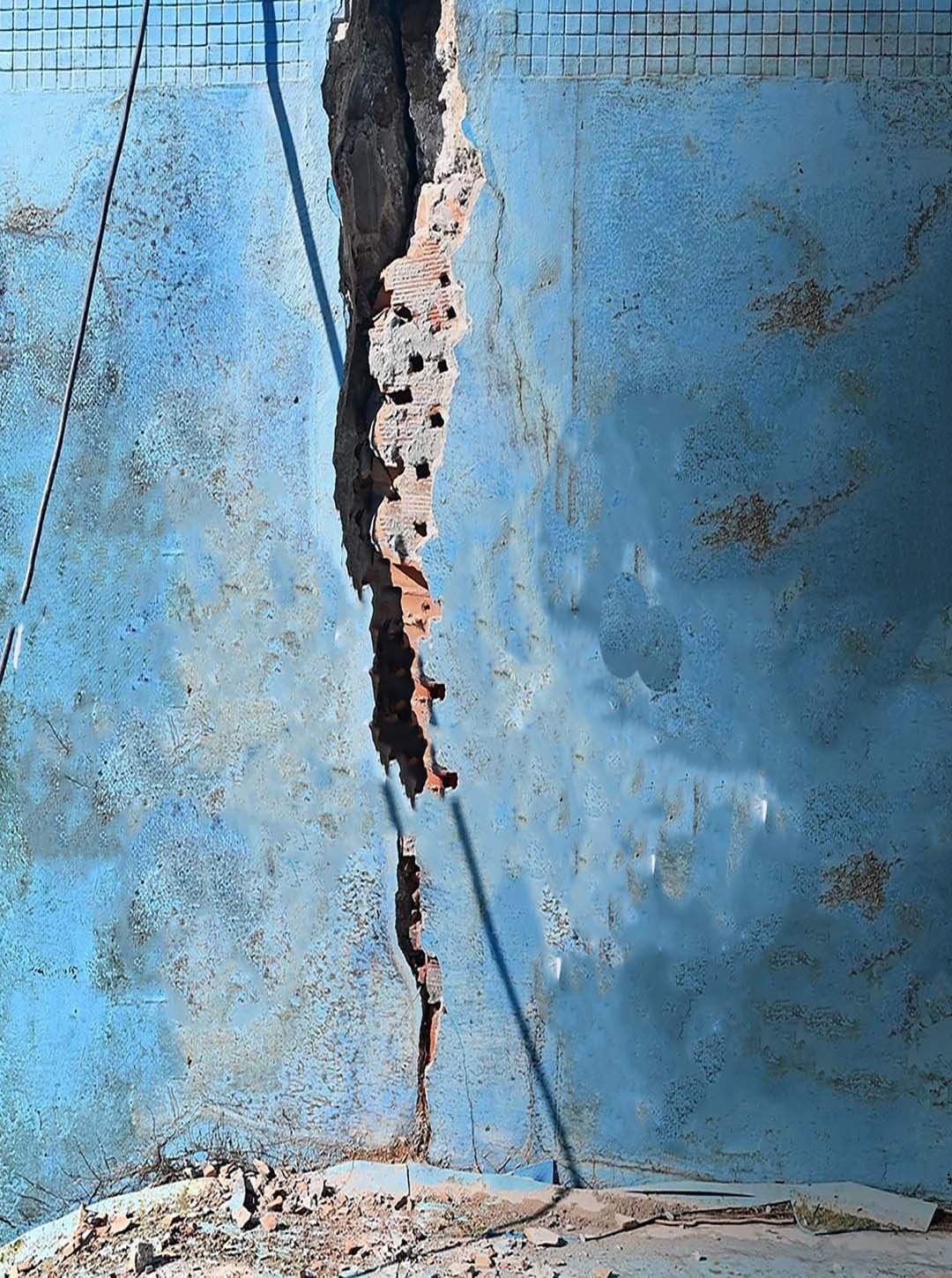
The most common rooftop pool call we get in India is the same story: a 5–10 year old tiled rooftop pool, water marks appearing on the ceiling below, repeated re-grouting and re-waterproofing attempts that solve nothing. The right fix is almost always to line the existing shell with a PVC membrane — no demolition, no tile removal, no debris to lift off the roof. The pool is back in service in under two weeks, watertight for the next decade.
Are there any downsides to liner pools?
Honest answer — yes, two:
- It's not a DIY product. Welding a reinforced PVC liner requires trained applicators, calibrated equipment and clean conditions. The result is only as good as the installer.
- Surface feel is different from tile. The liner is slightly softer underfoot than glazed mosaic. Most owners describe this as more comfortable; a few prefer the firmness of tile.
Neither is a reason to put a tiled pool on a terrace — but both are reasons to choose your installer carefully.
Quick checklist: is a liner pool right for your terrace?
- Slab live load already committed to other uses (planters, decking, furniture) — yes, go liner.
- Building is occupied and you can't afford 3 months of construction overhead — yes, go liner.
- Existing rooftop pool leaks and you want it fixed without demolition — yes, line the old shell.
- Want a freeform, infinity, deck-level or spa-integrated shape on the roof — yes, liner conforms to any shape.
- Building a deep diving pool with a 3 m+ tower on a private rooftop — talk to a structural engineer first; liner is still the right finish, but the slab is the bigger question.
The bottom line
On a terrace, the priorities are light, watertight, fast and repairable. A reinforced PVC liner pool is the only mainstream system that delivers all four. It's why every serious rooftop pool we deliver — from villa terraces in Lonavala to boutique hotel roofs in Goa — is built around the Dreamz PVC Membrane, on top of a properly engineered rooftop pool shell.
If you're planning a new terrace pool, or fighting leaks in an existing one, talk to us before you commit to tiles. A 30-minute call usually saves years of regret.
Related services
Rooftop pool construction, PVC liner systems and renovation across India.

Rooftop Pools
rooftop swimming pool
Light-weight, leak-proof rooftop pools engineered for terraces, penthouses and high-rise hotels.
Learn more
Dreamz PVC Membrane
dreamz pvc membrane
Dreamz PVC Membrane — reinforced PVC pool liners in India with up to a 12-year water-tightness warranty.
Learn more
Pool Renovation
swimming pool renovation
Bring tired pools back to life — membrane re-lining, waterproofing and complete renovation, with or without tile removal.
Learn more
Pool Design
swimming pool design
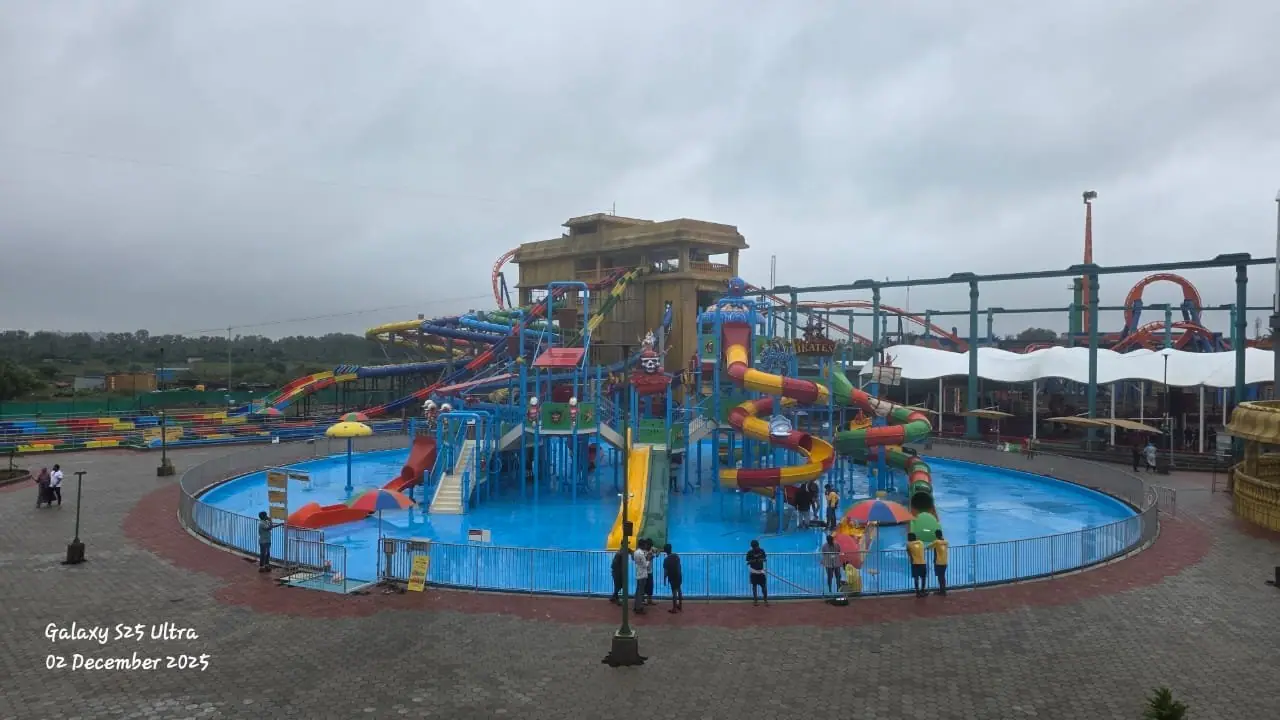
3D pool designs, plans and sections for architects, interior designers and homeowners.
Learn more
Planning a rooftop pool?
Get a feasibility check, structural load brief and a liner pool quote — free, no obligation.